Possible Reasons for Breast Pain
Where did the breast pain come from?
A lot of people have breast pain, which is generally nothing to worry about.
But it’s important to know the difference between breast pain that isn’t serious and pain that could be a sign of something more serious going on so you can get the care you need quickly.
Types of Breast Pain
There are two types of breat pain: yclical and non-cyclical.
- Cyclical pain is associated with hormonal fluctuations during the reproductive cycle.
- Non-cyclical pain is not associated with your reproductive cycle.
The symptoms you encounter may differ based on the specific sort of pain you are experiencing.
Cyclical Breast Pain Symptoms
Cyclical symptoms include:
- A sensation of discomfort or weightiness, typically affecting both breasts.
- Palpable nodules in the breasts
- Discomfort that has the potential to radiate to the axillary region
The discomfort usually initiates within a span of two weeks prior to the onset of your menstrual cycle and ceases with the conclusion of your menstrual period.
Prevalent among women in their 20s and 30s, as well as those nearing menopause, cyclical breast discomfort is the most typical occurrence.
Non-Cyclical Breast Pain Symptoms
People who have non-cyclical breast pain may have the following symptoms:
- Continuous or unpredictable pain
- One breast or a small part of your breast hurts
- Heartburn and/or fever
- Release of nips
- Unstable mass
There are many reasons why breast pain doesn’t go away and on, such as:
- Cysts
- Getting sick
- A sprained muscle
- Some kind of medicine
- Breast cancer is not very common.
If you take certain hormone pills, have had breast surgery in the past, or have a family history of breast cancer or lumps, you are more likely to feel pain. Have breasts that are big or heavy.
When you should see a doctor about breast pain
Most of the time, you can deal with the pain at home, but you should see a doctor if any of these things happen:
- The pain makes it hard to sleep or do normal things.
- The pain in your breasts gets worse over time.
- It hurts for more than a week or two.
- Pain killers don’t make the pain go away.
Request an urgent appointment if you have any of these symptoms.
- Illness
- Any solid bump in your breast that won’t move
- Breasts changing shape or getting thicker
- Any of your breasts feeling red, hot, or swollen
- Dimples on the skin (some of your skin may look like an orange peel)
- Nipple leakage
- An underdeveloped nipple or shape shifts
- Family members have had breast cancer in the past
If you are experiencing breast pain and do not have any other symptoms, it is advisable to consult with your doctor or get in touch with our Breast Specialists to schedule a breast ultrasound for reassurance.
Diagnosing Breast Pain
In order to determine the cause of your breast pain, you will have a physical examination.
The examination include inspecting your breasts and examining the lymph nodes in your neck and armpits to detect any indications of alterations.
Based on the findings of your doctor’s physical examination, you may require one or many diagnostic tests.
Mammogram
A mammogram is a diagnostic procedure that uses x-rays to detect potential abnormalities in the breast, such as malignant tumors or non-cancerous cysts.
Women above the age of 45 are advised to undergo mammograms.
Breast Ultrasound
A breast ultrasound utilises ultrasonic waves to capture images of the breast tissue. Ultrasounds, like mammography, are advantageous for detecting breast conditions such as cysts and cancers.
For individuals below the age of 45, a breast ultrasound is frequently just as effective as a mammography in detecting breast problems
Biopsy
A biopsy involves the extraction of a small portion of breast tissue by a doctor, which is then examined for indications of cancer or any other irregular cells.
How Breast Ultrasounds Are Performed
If you require a breast ultrasound, you may be curious about what you should anticipate.
A breast ultrasound is a painless and non-invasive method to thoroughly check your breast tissue.
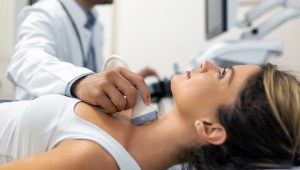
The imaging specialist applies a layer of gel to your breast and glides a probe over your skin, which then displays images on a computer screen.
The specialist can identify indications of breast abnormalities that may necessitate additional examination based on the photographs.
There is no need for any preparation before a breast ultrasound, and after the scan is finished, you are free to leave.
Ultrasounds provide a secure and pleasant method to alleviate any anxiety or uneasiness related to pain or discomfort in the breast area, particularly for individuals below the age of 45. If you have any concerns, it is advisable to schedule an appointment online.
Managing Breast Pain at Home
- Administer an analgesic such as paracetamol or ibuprofen.
- It is advisable to wear a bra that provides support, and you may want to consider wearing a comfortable bra while sleeping until your symptoms subside.
- Administer a cold or hot compress to the painful breast.
- Make an effort to maintain an upright and proper posture.
Preventing Breast Pain
While it is not possible to prevent all instances of breast pain, you can mitigate the likelihood of experiencing it by:
- Wearing a bra that fits me
- Steer clear of hormonal drugs wherever at all possible.
- Resting your caffeine intake
- Following a low-fat diet
- Always work out in a sports bra.
Consulting a Breast Specialist will provide you with tailored guidance on how to prevent breast pain based on your unique circumstances.
Breast Ultrasound Screening at the London Diagnostic Centre
The London Diagnostic Centre offers a broad range of breast imaging services to address your concerns and diagnose breast pain. We offer consultations, extensive breast examinations, and modern imaging to fully examine your situation. Our skilled Breast Specialists will analyse your medical history and prescribe ultrasounds or mammograms to detect abnormalities, including breast cancer.
We provide aspiration and breast tissue biopsies in addition to conventional imaging to get a definite diagnosis. We can reassure you about your breast health if you schedule an appointment.